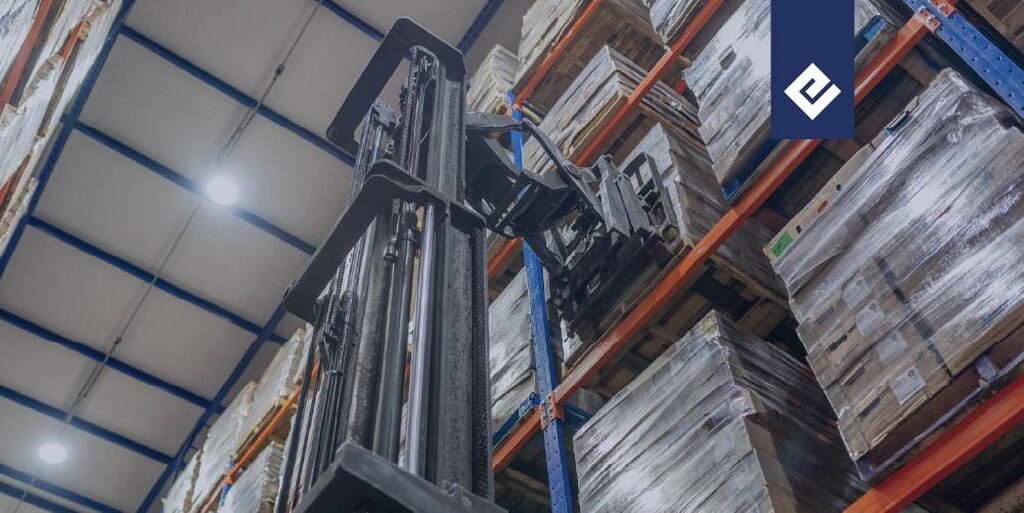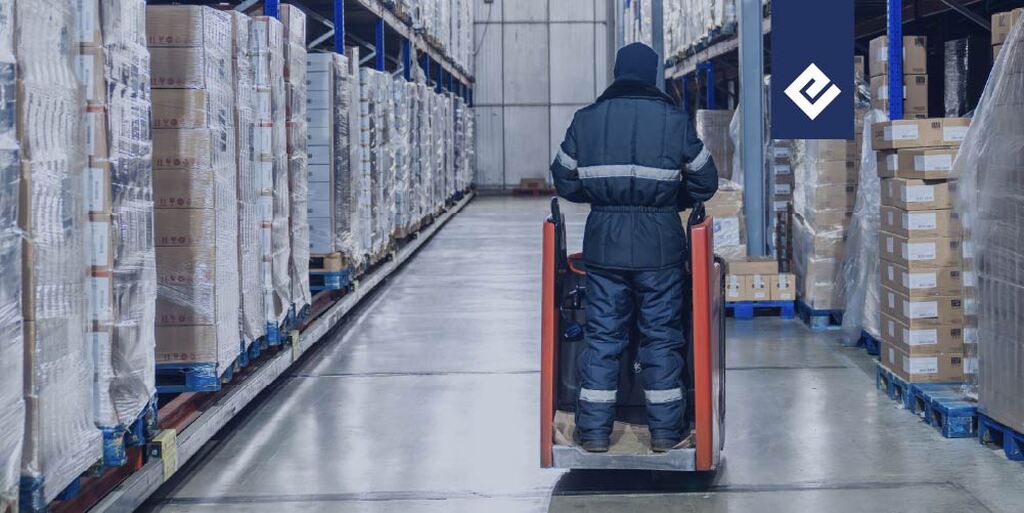


Storage in the cold chain is one of the central pillars in guaranteeing the quality, safety and integrity of foods in all the logistics.
More than maintaining products at controlled temperatures, this process ensures the sensorial characteristics, nutritional value and health requirements are preserved from their origin through to the end consumer.
In a scenario of high demand for perishable foods, together with the worldwide regulatory advance, the stage of storage is no longer just operational and comes to play a strategic role.
Principal stages of storage in the cold chain
Good performance of storage in the cold chain depends on the integration of well defined stages, which have to operate in a coordinated and standardized manner:
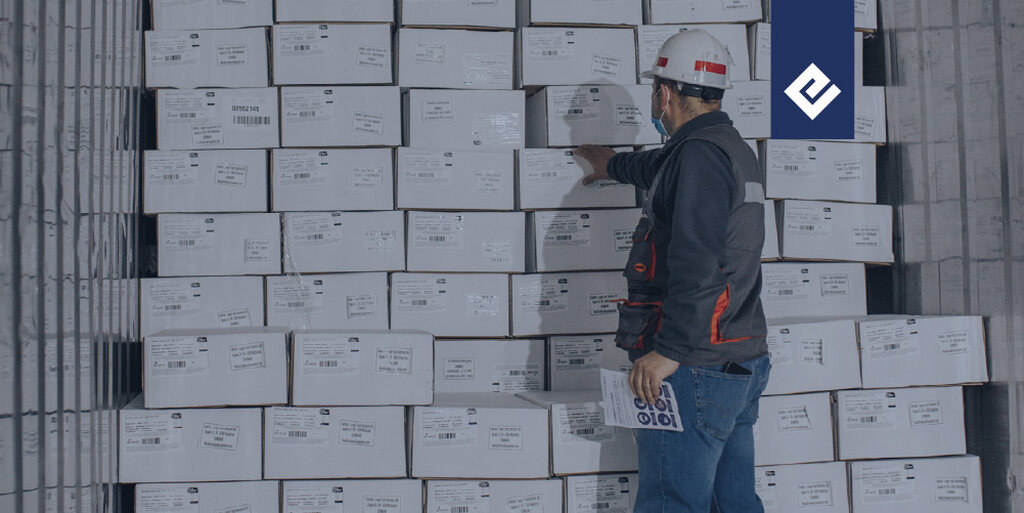
- Receiving of the cargo with verification of the documentation, physical inspection and validation of the temperature of arrival;
- Storage in refrigerated or frozen rooms, organized by thermal range and type of product;
- Separation and internal movement with control of time of exposure outside of the ideal temperature;
- Consolidation of orders and preparation for dispatch in accordance with the logistics windows and requirements of the client;
- Dispatch with recording of temperature, trackability and integration with refrigerated transport.
Each of these stages requires clear processes, trained teams and the appropriate infrastructure to avoid thermal ruptures and loss of quality.
Essential care in the storage process of the cold chain
Maintaining the integrity of the foods under temperature-controlled involves operational, environmental and regulatory challenges needing constant attention.
Proper temperature control
Temperature control is the central pillar of storage in the cold chain. Small variations can accelerate the deterioration of the foods, reduce the useful life and generate risks to food safety.
Factors such as external climatic variations, frequent opening of doors, intense movement of cargo and failures in equipment increase the complexity of this control. Thus, the operation must work within well defined thermal ranges, redundancy of systems and fast response to divergence protocols.
Global initiatives such as the Move to -15ºC movement, supported by Emergent Cold, strengthen the search for energy efficiency and the reduction of emissions without compromising the safety of the foods, from technical studies and scientific validation.
Regulatory compliance
The regulatory environment for foods at temperature-controlled is more rigorous and digitalized. In Latin America, national health standards are increasingly aligned with international standards, requiring trackability, auditable records and proof of thermal control.
In international operations, the storage needs to attend to requirements from bodies such as, the FDA, the European Union, CFIA and authorities in Asia, as well as private food safety standards.
Non-compliance with these requirements may result in retention of loads, fines, recalls and commercial restrictions.
In this context, operating in compliance is no longer a differential but becomes rather a basic condition of access to markets.
Monitoring of cargo
The continuous monitoring of the cargo is essential to guaranteeing the visibility and control throughout the times of storage. Temperature sensors, automatic records and alerts in real time enable identification of divergence before these become losses.
More than just supporting food safety, the monitoring helps the trackability and provides reliable data for audits, clients and regulatory authorities. In more complex chains, this visibility also contributes to faster and more precise operational decisions.
Implementation of technologies
Technology is one of the principal allies in the modern management of storage in the cold chain. Integrated WMS systems, IoT solutions, automation of cold rooms and analytical platforms expand operational control and reduce the dependency on manual processes.
These tools enable the integration of stock, temperature, movement and compliance data, creating a structured view of the operation.
Furthermore, advanced technologies support energy efficiency, predictive maintenance and capacity planning initiatives, aligning operational performance and sustainability.
According to Moises Ventocilla, Engineering Director at Emergent Cold LatAm, every component of the infrastructure must be designed to protect that which is critical to the clients: their assets, the quality of the foods and the natural resources. Efficiency in this context is a technical requirement and also a long term decision.
See also: Artificial intelligence in logistics: high efficiency in the perishable foods chain
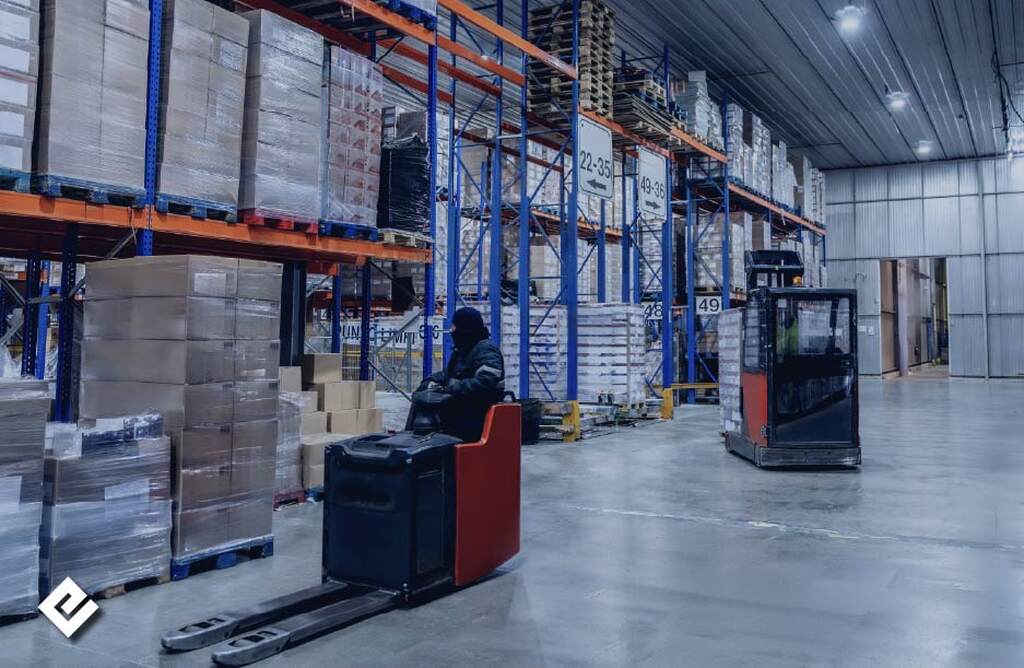
Challenges to maintaining the cold chain
Maintaining the proper temperature continuously involves growing challenges. Climate changes intensify heatwaves and extreme events, pressuring refrigeration systems and raising energy consumption.
The risk of cross-contamination, human failure and operational interruptions also requires robust processes, constant trainings and a well established food safety culture.
Without a specialized structure, operating the storage of sensitive foods internally tends to generate hidden costs, recurring losses and greater exposure to regulatory risks.
See also: How the El Machetazo Group reduced operational costs by contracting a specialized logistics operator
Consequences of non-compliance of standards
Non-compliance with temperature-controlled storage standards can generate significant impacts. These include direct financial losses, product waste, regulatory sanctions, and damage to brand reputation.
In highly regulated markets, failures in the cold can lead to suspension of licenses, restrictions on importing and breach of commercial contracts.
Thus proper storage management is no longer an operational decision and becomes a strategic business one.
Check out also: ISO 22000: everything about the Foods Safety Standards
Find out about our temperature-controlled storage solutions
We act as a strategic partner for companies that depend on safe, efficient operations aligned with the highest cold chain standards.
With a modern infrastructure, multiple ranges of temperature, integrated technology and specialized teams, we provide storage solutions able to respond to the regulatory, environmental and operational challenges of the current market.
By combining regional scale, operational excellence and long term vision, we support industries in protecting the quality of the foods, in the reduction of risks and in the construction of more resilient and reliable supply chains.